

Essential Tips for Adopting a Kitten
Preparing for Your New Furry Friend
Adopting a kitten is an exciting journey, but it requires preparation and commitment. From creating a comfortable environment to ensuring proper healthcare, here are the key things you need to consider before bringing a new kitten home.
- Choosing the right kitten for your lifestyle
- Kitten-proofing your home
- Essential supplies for your kitten
- Understanding kitten behavior
- Vet visits and vaccinations
- Proper nutrition for a growing kitten
- Litter training basics
- Introducing your kitten to other pets
Creating a Safe and Comfortable Home
Before bringing your kitten home, make sure your space is kitten-proofed. Remove any toxic plants, secure loose wires, and create a dedicated space with a cozy bed, food, water, and a litter box.
“A safe, well-prepared home ensures a smooth transition for your new furry friend.”
Pet Expert
Providing scratching posts, interactive toys, and a cozy hideout can help your kitten feel comfortable and reduce anxiety in a new environment.
Preparing for Your New Furry Friend
Adopting a kitten is an exciting journey, but it requires preparation and commitment. Creating a safe and welcoming space for your new pet is essential for their well-being. Ensure your home environment is conducive to their exploration while minimizing potential hazards.
It is also important to have all the necessary supplies ready before your kitten arrives. Food, water bowls, a litter box, and a comfortable sleeping area should be set up in advance. Having these essentials in place will help your kitten adjust quickly to their new surroundings.
Additionally, consider scheduling an initial vet appointment to assess your kitten's health and ensure they are up to date on vaccinations and parasite prevention. This proactive step helps prevent health complications and ensures a smooth transition into their new home.
Choosing the Right Kitten for Your Lifestyle
Kittens have different personalities, energy levels, and care requirements. Some kittens are playful and energetic, requiring more attention and stimulation, while others are more independent and low-maintenance. Understanding your lifestyle and availability will help you choose the right fit.
If you have young children or other pets, it’s important to select a kitten with a compatible temperament. A well-socialized kitten that has been exposed to different environments and interactions will likely adjust more easily to a household with other animals or small children.
Researching different breeds and consulting with adoption centers or shelters can also help in making the right choice. Some breeds are more vocal and social, while others prefer solitude. Knowing these characteristics will ensure a harmonious match for your household.
Kitten-Proofing Your Home
Kittens are naturally curious and love to explore. They will climb, scratch, and chew on objects, which can sometimes pose risks. To keep your kitten safe, remove or secure loose wires, store small objects that could be swallowed, and keep toxic plants out of reach.
Designate specific areas where your kitten can play and explore safely. Providing scratching posts, cozy hideouts, and engaging toys can help redirect their curiosity and prevent destructive behaviors. Investing in cat furniture can also create safe climbing spaces.
In addition to physical safety measures, ensure that windows and balconies are secured. Kittens can easily slip through small openings or attempt risky jumps, so installing pet screens or keeping windows closed can prevent accidents.
Essential Supplies for Your Kitten
Before bringing your kitten home, ensure you have the necessary supplies. A comfortable bed, food and water bowls, a litter box, and high-quality kitten food are essential for their well-being and growth.
Interactive toys and scratching posts help keep your kitten engaged and prevent boredom. Look for toys that stimulate their natural instincts, such as feather wands or small balls they can chase around. Providing variety in playtime will help them develop physically and mentally.
Grooming tools, such as a soft brush and nail clippers, should also be part of your supplies. Regular grooming helps maintain their coat’s health, reduces shedding, and strengthens your bond with your kitten.
Understanding Kitten Behavior
Kittens go through various developmental stages, including play aggression and teething. During their early months, they may exhibit high energy levels and engage in rough play. Redirecting their behavior using appropriate toys can prevent scratches and bites.
Socialization is another crucial aspect of kitten behavior. Exposing them to different sounds, people, and gentle handling will help them grow into confident and well-adjusted adult cats. Gradual exposure is key to preventing fear-based behaviors.
Lastly, kittens thrive on routine. Feeding, playtime, and sleep schedules should remain consistent to provide a sense of security. Predictability helps kittens feel safe in their environment and establishes positive behavior patterns.
Veterinary Care and Nutrition
A healthy kitten is a happy kitten. Schedule a vet visit as soon as possible for vaccinations, deworming, and general health checkups. High-quality kitten food is essential for their growth and development.
Vet Visits and Vaccinations
Your kitten will require a series of vaccinations to protect against diseases such as feline leukemia and distemper. Regular checkups help detect potential health issues early and ensure your kitten stays healthy.
Proper Nutrition for a Growing Kitten
Kittens need a diet rich in protein and essential nutrients. Choose high-quality kitten food and provide fresh water at all times. Consult your vet for recommendations on portion sizes and feeding schedules.
Litter Training Basics
Most kittens learn to use the litter box quickly, but consistency is key. Place the litter box in a quiet, accessible area and clean it regularly to encourage good habits.
Introducing Your Kitten to Other Pets
Introducing a new kitten to other pets should be done gradually. Start with short, supervised interactions and provide separate spaces initially. Using scent swapping and positive reinforcement can help ease the transition.
Veterinary Care and Nutrition
A healthy kitten is a happy kitten. Schedule a vet visit as soon as possible for vaccinations, deworming, and general health checkups. High-quality kitten food is essential for their growth and development.
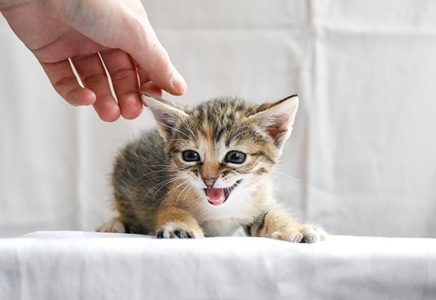

Gradually transition your kitten to solid food and ensure they have constant access to fresh water. Consult your vet for recommendations on the best diet.
Other Posts

Adopt vs Buy: Why Adoption is the Better Choice
If you're considering getting a pet, you might wonder whether to adopt from a shelter or buy from a breeder.

The Pet Adoption Process
Adopting a pet is an exciting and rewarding experience, but it’s important to understand the steps involved.

Why Adopt?
Adopting a pet is more than just bringing home a new companion—it’s about changing both your life and the life of a rescue animal.